
Bathroom pods and sustainability: prefabrication, BREEAM, ESG and greener delivery
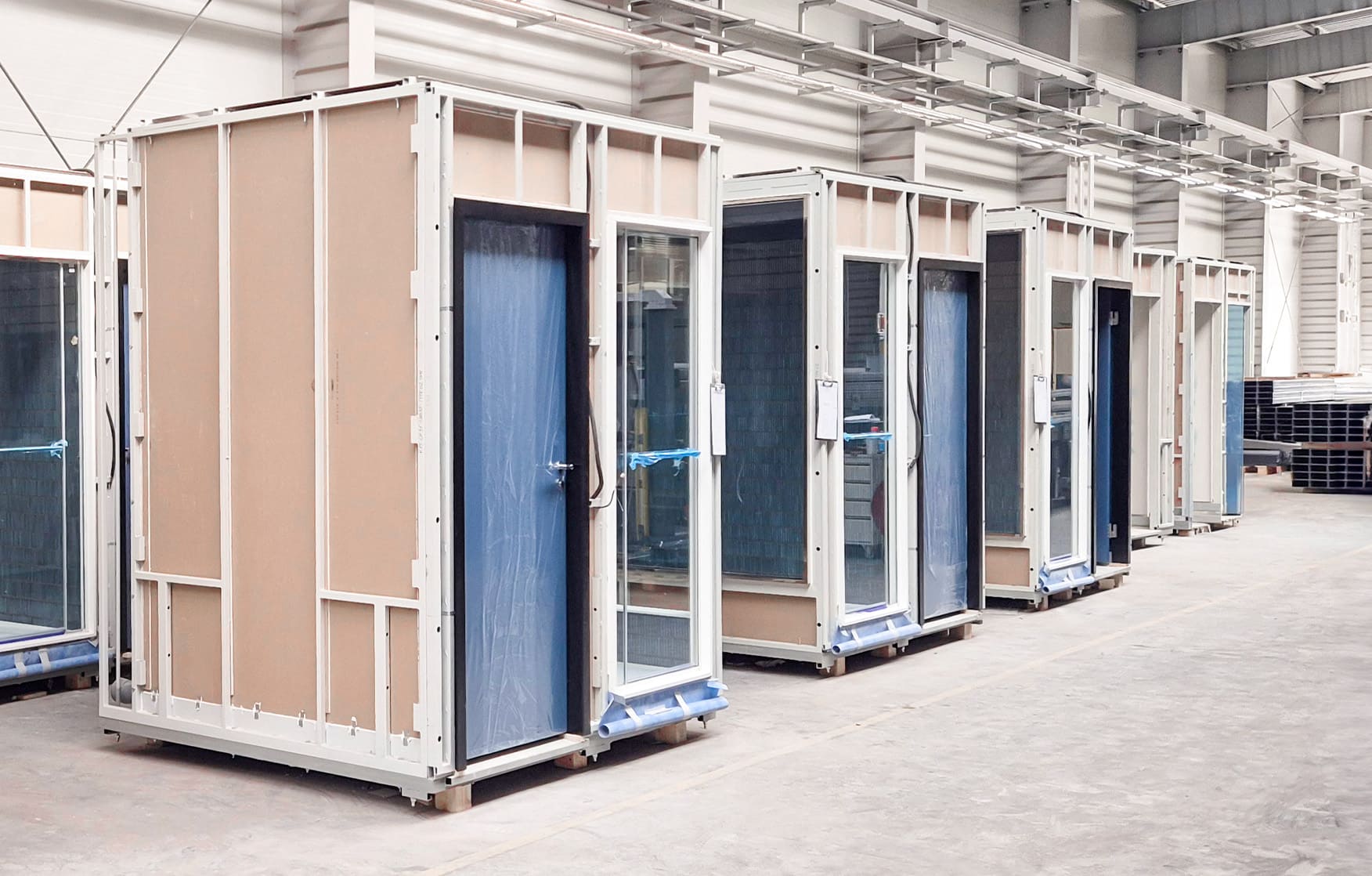
Bathroom prefabrication can support more sustainable construction, but only when it is well designed, planned and documented. The technology itself does not guarantee a lower carbon footprint or credits under BREEAM or LEED certification. The outcome depends on specific project data, including materials, waste, transport, quality control, number of defects, maintenance requirements and the way documentation is managed.
For main contractors and developers, the greatest value of prefabricated bathroom pods is control over a repeatable process. Manufacturing bathrooms in a factory makes it easier to plan material use, reduce waste on site, limit the risk of defects and maintain consistent quality across multiple units.
These are the elements that can support BREEAM, LEED and ESG goals — provided they are measurable and backed by evidence.
Less waste on site with prefabricated bathroom pods
Traditional bathroom fit-out can generate waste from tile cutting, wall boards, packaging, damaged materials, surplus stock and rework. Across a hotel, PBSA, build-to-rent, PRS-type rental residential or large residential scheme, this can become a significant site issue.
Bathroom pods can reduce this risk because most fitting, cutting, assembly and testing takes place off site. Materials are ordered for repeatable pod types, stored in controlled conditions and processed in a more predictable way. This can help reduce and better control material waste when the project is standardised and properly planned.
This can mean:
- fewer skips,
- less waste handling on site,
- less site congestion,
- fewer damaged materials,
- cleaner working zones,
- reduced wet trade activity on site,
- fewer last-minute material deliveries.
The safer claim is not that bathroom pods “eliminate waste”, but that they can help reduce and better control waste when compared with conventional in-situ bathroom construction, depending on the project and delivery model.
Better material control in the factory
Factory production makes it easier to plan material use. Instead of ordering separately for hundreds of in-situ bathrooms, the team can work from agreed pod types and repeatable bills of materials.
This supports:
- more accurate ordering,
- reduced over-ordering,
- better use of offcuts,
- controlled storage,
- clearer traceability,
- fewer emergency deliveries,
- less material damage before installation.
The benefit is practical as much as environmental. Less material movement and fewer damaged components can also reduce rework, delays and unnecessary cost.
In large projects, even small improvements in ordering, storage and repeatability can have a meaningful impact because the same bathroom type may be produced dozens or hundreds of times.
Carbon: transport versus waste
Bathroom pods are not automatically lower carbon. They still need to be manufactured, transported, lifted, installed and connected.
The carbon case depends on the whole project, including:
- transport distance,
- vehicle loading,
- pod weight,
- material selection,
- packaging,
- waste reduction,
- reduced rework,
- number of deliveries,
- maintenance and replacement needs,
- operational performance over time.
A pod transported over a long distance may create more transport emissions than a local in-situ package. However, that impact may be partly offset if the pod reduces site waste, multiple deliveries, defects, replacement materials and rework.
This is why the carbon benefit should be assessed project by project. Where sustainability targets are important, the project team should use material data, EPDs where available, delivery records, waste data and whole-life carbon assumptions rather than relying on generic claims.
Pod structure and material choices
The environmental impact of a prefabricated bathroom pod depends not only on factory production, but also on the structure and materials used in the pod itself.
Different pod systems can have different implications for:
- transport weight,
- lifting requirements,
- installation methodology,
- material quantity,
- durability,
- repairability,
- end-of-life assumptions.
A lighter structure may support easier transport, lifting and installation on site. It may also help with repeatable factory production and handling. However, this does not automatically mean that one material is always more sustainable than another.
The assessment depends on material quantity, sourcing, recycled content, durability, manufacturing process, transport distance, repairability and end-of-life scenario.
Sustainability should therefore be assessed at system level, not material level only. The key question is not simply whether the pod uses steel, concrete, timber or a hybrid structure. The key question is how the complete pod performs across production, transport, installation, use, maintenance and end of life.
Better quality control means fewer repairs
Sustainability is not only about waste and carbon. It is also about durability.
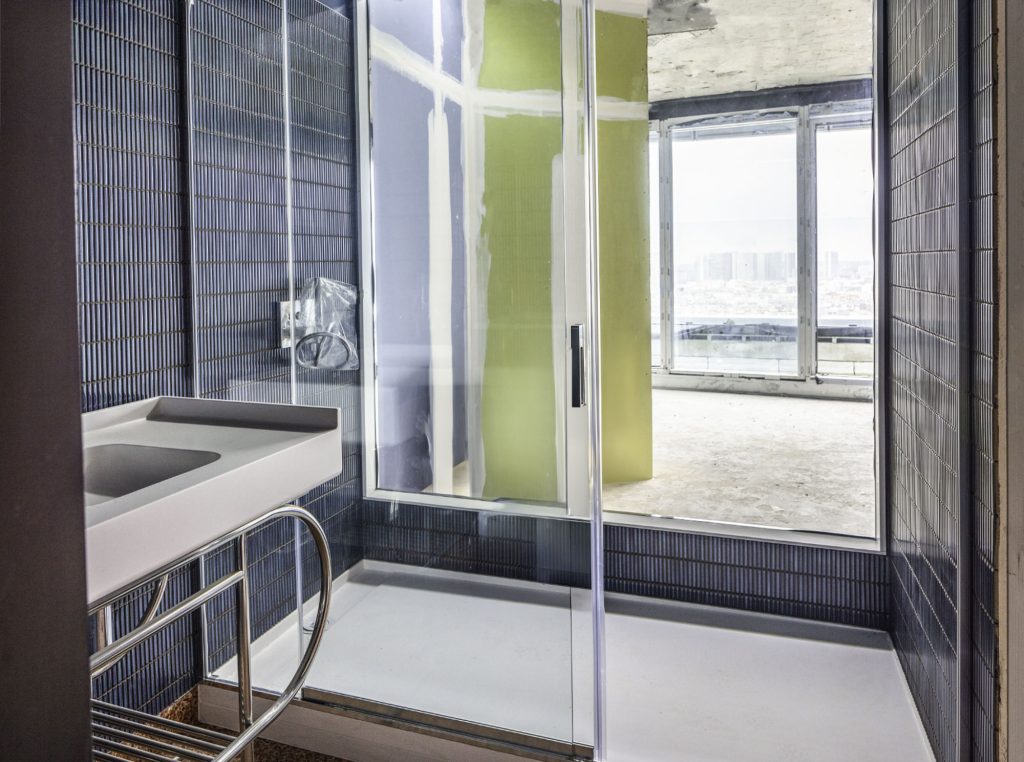
Bathrooms are high-risk spaces. Poor waterproofing, failed seals, incorrect falls, plumbing defects, ventilation issues or damaged finishes can lead to rework and repairs. Every defect has a material, labour, cost and carbon impact.
Factory quality control can reduce this risk by checking workmanship, dimensions and installations during production against the agreed specification and project quality requirements.
Depending on the project, checks may include:
- dimensional checks,
- visual inspections,
- waterproofing verification,
- pipe pressure and leak testing,
- wastewater installation checks,
- electrical system checks,
- drainage and fall checks,
- ventilation checks,
- photographic records,
- final inspection before delivery,
- pod-by-pod traceability.
Some manufacturers may work under certified management systems such as ISO 9001, ISO 14001 or ISO 45001. Any such claims should be verified against current certificates and the actual project scope.
Mechanical, electrical and plumbing installations should also be tested and recorded against the agreed project QA requirements before delivery. This helps reduce defects, supports handover and gives the project team clearer documentation for each pod type and location.
Fewer defects can mean fewer repairs, fewer replacement materials, less waste after handover and more durable long-term asset performance.
Support for BREEAM, LEED and ESG
Bathroom pods do not automatically deliver BREEAM or LEED credits. They can support certification strategies when the right evidence is collected and when the project requirements are considered early.
Relevant evidence may include:
- waste data,
- factory waste records,
- material data,
- delivery records,
- product information,
- EPDs where available,
- water-efficient fittings,
- energy-efficient lighting or ventilation,
- quality control records,
- testing records,
- O&M documentation,
- traceability by pod type and location.
For ESG reporting, bathroom pods can support a stronger evidence-based story around waste reduction, material control, quality assurance, safer site conditions, reduced rework and more predictable delivery.
However, claims must be measurable. It is not enough to state that bathroom pods are “sustainable”. The project team should be able to show what was measured, what was reduced, what documentation was collected and how the prefabrication strategy supported the wider sustainability goals of the development.
Student accommodation, hotels and large residential schemes
Bathroom pods are particularly relevant in projects where many similar bathrooms are repeated. This includes PBSA student accommodation, hotels, build-to-rent schemes, PRS-type rental residential projects and large residential developments.
In these schemes, repeatability can support:
- better material planning,
- fewer bathroom variants,
- clearer procurement,
- factory quality checks,
- reduced site waste,
- smoother installation planning,
- more consistent finishes,
- easier maintenance planning.
For student accommodation, durability and maintenance access are especially important because bathrooms are used intensively. For hotels, consistent finish quality and predictable handover matter because bathroom completion can affect room availability and opening dates. For build-to-rent and PRS-type schemes, standardised bathroom specifications can also support long-term maintenance and asset management.
The sustainability value comes from combining repeatable design with controlled production, documented quality checks and a clear installation strategy.
Water and energy efficiency
Bathroom pods can also support operational sustainability when water and energy performance are considered during specification.
Depending on the project, this may include:
- water-efficient taps and showers,
- dual-flush toilets,
- efficient lighting,
- suitable ventilation,
- durable finishes,
- moisture-resistant materials,
- access for maintenance and replacement,
- clear O&M information.
These measures are not automatic. They must be specified, procured, installed and documented as part of the project requirements.
A bathroom pod can provide a controlled way to repeat these measures across many units, which is valuable in hotels, PBSA, build-to-rent and residential schemes where consistency matters.
Transport and installation planning
A sustainable prefabrication strategy must also consider transport and installation.
Bathroom pods are volumetric units. They must be delivered to site, unloaded, moved into position, installed, protected and connected. Poor logistics can create additional emissions, double handling, damage, rework and delays.
The project team should assess:
- transport distance,
- delivery frequency,
- vehicle loading,
- route constraints,
- cranage requirements,
- site access,
- temporary storage,
- just-in-time delivery potential,
- protection after installation,
- risk of damage from follow-on trades.
Good logistics planning helps protect both programme and sustainability benefits. If pods are delivered in the wrong sequence, stored for too long or damaged after installation, part of the value of factory production can be lost.
Maintenance and lifecycle performance
Bathroom pods should not be assessed only up to practical completion. They also affect the operational life of the building.
Maintenance and lifecycle planning should consider:
- access to isolation valves,
- access panels,
- replaceable components,
- durable finishes,
- spare parts,
- cleaning requirements,
- moisture resistance,
- O&M manuals,
- photographic records,
- traceability by pod type and final location.
A bathroom that is fast to install but difficult to maintain may create long-term problems for the operator. This is especially important in PBSA, hotels, build-to-rent, PRS-type residential schemes and assisted living projects.
The best pod strategy supports both construction delivery and long-term operation.
Quick checklist: sustainability and bathroom pods
| Question | Why it matters |
| Is site waste lower than with in-situ bathrooms? | Shows whether pods create a real waste benefit |
| Is factory waste measured? | Supports ESG and certification evidence |
| Are pod types rationalised? | Helps reduce over-ordering and unnecessary variants |
| Are EPDs available for key materials where relevant? | Supports embodied carbon review |
| Has transport impact been assessed? | Avoids assuming offsite is always lower carbon |
| Is the delivery route checked? | Reduces access delays, double handling and damage risk |
| Is the pod structure suitable for the project logistics? | Affects weight, lifting, transport and installation |
| Are water-efficient fittings specified? | Supports operational sustainability |
| Are energy-efficient lighting and ventilation options considered? | Supports operational performance |
| Are moisture-resistant materials specified where required? | Helps protect long-term bathroom performance |
| Are maintenance access points coordinated? | Reduces future repair complexity |
| Are test records linked to each pod? | Improves handover and traceability |
| Do plumbing, electrical and ventilation connection points align with the building strategy? | Reduces coordination risk before installation |
| Are BREEAM, LEED or ESG requirements reviewed early? | Ensures evidence is collected in time |
Summary
Prefabricated bathroom pods can support more sustainable construction, but only when the benefits are planned, measured and evidenced.
They can help reduce site waste, improve material control, support factory quality assurance and reduce the risk of defects and rework. They may also support BREEAM, LEED and ESG goals when the right data is collected and when sustainability requirements are considered from the beginning of the project.
The key point is credibility. Bathroom pods are not automatically sustainable. They are a controlled delivery method that can support sustainable construction when waste, materials, carbon, quality, logistics and certification evidence are managed from the start.
For developers, main contractors and operators, the strongest sustainability case comes from treating bathroom pods as part of a documented project strategy — not as a generic green claim.
Planning a hotel, PBSA, build-to-rent, residential, assisted living or high-rise project? Contact TLC UNIT early to assess how prefabricated bathroom pods can support delivery, quality control and sustainability objectives.
FAQ
Are bathroom pods automatically sustainable?
No. Bathroom pods are not automatically sustainable. They can support sustainability goals when material use, waste, transport, quality control and maintenance are planned and documented.
Can bathroom pods help with BREEAM or LEED?
Bathroom pods do not automatically deliver BREEAM or LEED credits. They can support certification strategies when the project collects relevant evidence, such as waste data, material information, EPDs where available, delivery records, quality control records and O&M documentation.
How can bathroom pods reduce waste?
Bathroom pods can reduce waste by moving cutting, fitting, assembly and testing into a controlled factory environment. Repeatable pod types can support more accurate ordering, better material storage and reduced damage, depending on the project and production process.
Are bathroom pods always lower carbon than in-situ bathrooms?
No. The carbon impact depends on material choices, transport distance, pod weight, delivery planning, waste reduction, rework, durability and maintenance. A project-specific assessment is needed to understand the carbon case.
What evidence is useful for ESG reporting?
Useful evidence may include waste records, factory waste data, material data, delivery records, quality control checks, test records, O&M documentation, EPDs where available and traceability by pod type and location.
Why is quality control important for sustainability?
Quality control helps reduce defects, repairs and rework. Fewer defects can mean fewer replacement materials, less waste, less disruption after handover and better long-term asset performance.
What should be checked before claiming sustainability benefits?
The project team should check waste data, transport impact, material choices, EPD availability, quality records, water and energy efficiency measures, maintenance access, logistics and certification requirements.
How early should BREEAM, LEED or ESG requirements be reviewed?
They should be reviewed as early as possible, ideally before pod types, materials, fittings, documentation requirements and logistics are fixed. Early review helps ensure that the right evidence is collected in time.
Read our other news
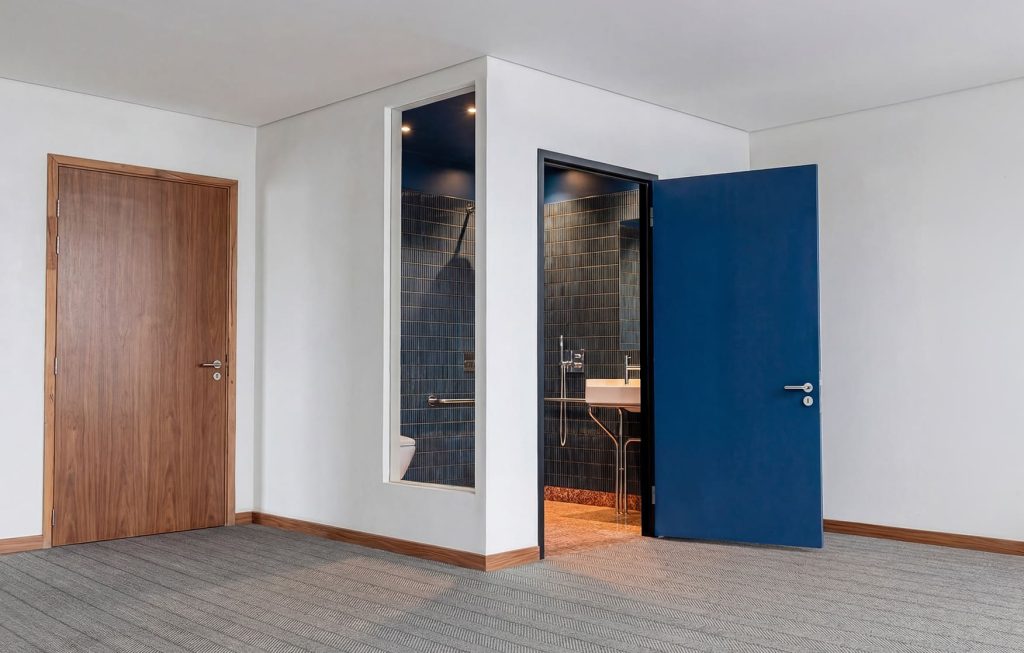
Prefabricated Bathroom Pods – How do they work and when do they make sense?
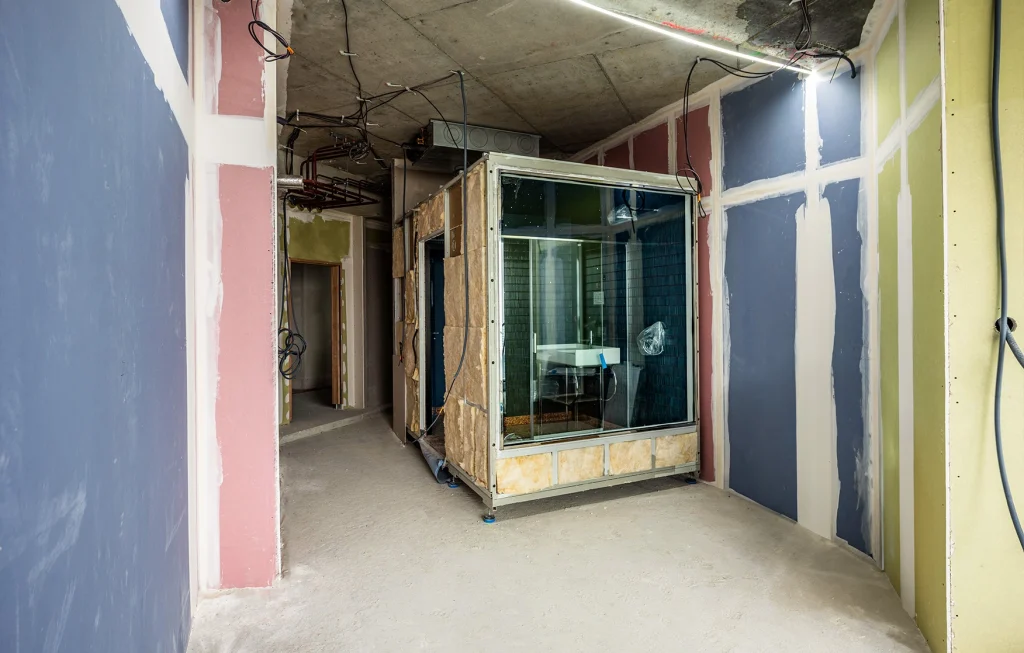
Modular construction: a practical guide to offsite building in the modern construction industry
Common mistakes when implementing prefabricated bathroom pods
Contact Us
Are you searching for a trusted prefabricated pod manufacturer for your upcoming project?